Virginia loves to blaze its own trail and to engineer its own home-grown solutions to public policy questions. Sometimes, however, it’s better to borrow from others’ best practices rather than trying to reinvent the wheel.
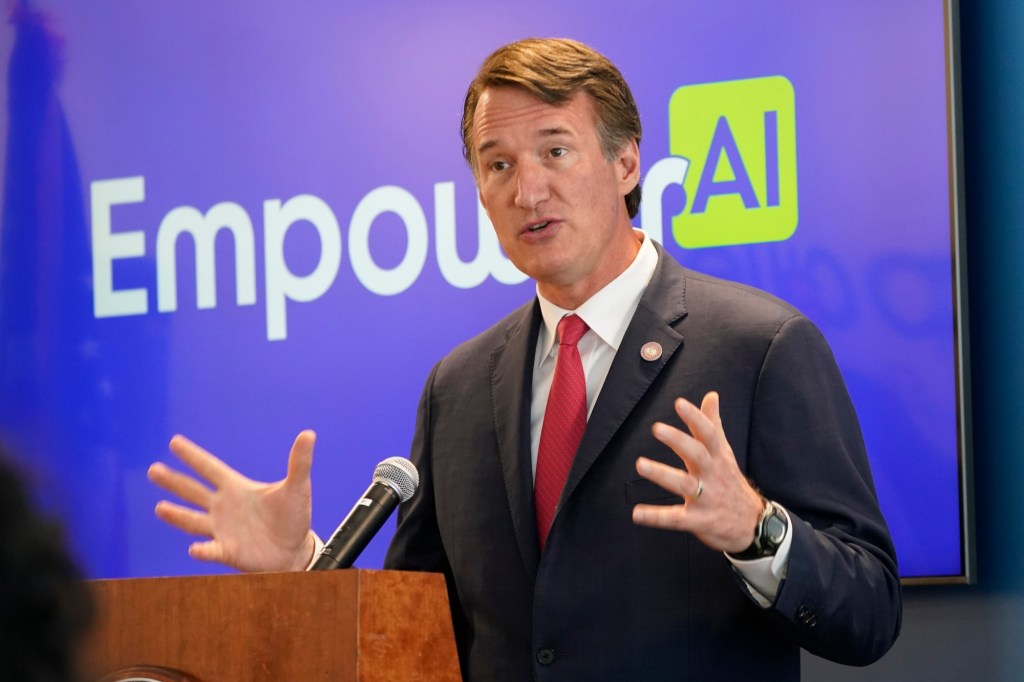
Maryland was the first state to eliminate academic degree requirements for most state jobs, a move that aligns with the hiring practices of private companies. Gov. Glenn Youngkin adopted a similar measure this year as part of his administration’s workforce development initiative, in what should be a win for the commonwealth.
The governor announced in May that, beginning July 1, about 90% of the roughly 20,000 jobs posted by the commonwealth each year would no longer require candidates to have an academic degree for consideration.
“As an employer, state government has one of, if not the most diverse occupational portfolios in Virginia,” Secretary of Administration Margaret “Lyn” McDermid said in a release announcing the change. “Our employees design, build, manage, and sustain public services across hundreds of lines of business and giving equal consideration to all job applicants, including those who have experience solving real world problems is a smart business practice.”
Maryland’s Republican Gov. Larry Hogan was the first to drop the four-year degree requirement for state jobs last year, his last in office. According to NPR, “Hogan said that other qualifications, including relevant experience, training, or community college education, will be given equal weight for many state government positions in IT, administrative work, and customer service.”
Since the Old Line State made that shift, other states — under Republican and Democratic leadership — have followed suit, with the enthusiastic support of officials from across the political spectrum. Youngkin’s announcement in May made Virginia the seventh state to embrace that common-sense approach.
The reasoning is straightforward: The private sector may require job applicants to hold a four-year college degree but more often they seek someone with practical experience, skills training or other specified instruction to serve in a given role. Limiting candidates to only those with a college diploma means that the competitive pay and job security of public positions are beyond the reach of many talented individuals who could do the work if given the chance.
It didn’t used to be this way. Degree requirements for all positions, in the public and private sectors, have ramped up in recent years; researchers point to the labor surplus that followed the Great Recession as accelerating that trend.
Things began to change following the release of a 2017 study by Harvard Business School researchers that concluded that degree requirements hurt both workers and employers. Workers without degrees were excluded from consideration and employers struggled to find qualified candidates — those with college degrees — to fill them.
The study also found that many positions advertised as requiring a degree were held by those without a diploma. “In 2015, 67% of production supervisor job postings asked for a college degree, while only 16% of employed production supervisors had one,” researchers wrote.
That’s a clear sign of a problem, and making this change allows state government to be part of the solution. There are plenty of talented, experienced workers in the commonwealth who have a path to public service once closed to them.
Research also suggests dropping degree requirements increases diversity in the workforce, as those with non-traditional academic careers are welcomed into the fold. After all, not everyone is accepted to college or can afford to pay the costs of a four-year degree program. Having skills training, professional certificates, community college work or on-the-job experience will be enough for consideration now.
A good-paying government job brings employment and financial security, which in turn helps build stronger, healthier communities. Maryland may have figured this out first, but Youngkin deserves credit for following suit and including this measure in his workforce development initiatives.