Summer vacation has long been seen as carefree months of swimming, hiking and catching fireflies. But as school lets out in a haze of smoky skies, moms and dads across the commonwealth are coming to see summer as a time to be managed, rather than a time to be enjoyed.
Whether it’s smoke, heatwaves or other challenges, families increasingly experience the health impacts of climate change. Virginia does have a solution that protects us from the challenges of a warming world. But last week, an unelected board used back-door maneuvers to cancel this successful, market-based solution. Now, our choice of legislators will make a difference in whether our families’ health is protected.
I can relate to the growing risk of health challenges associated with climate change, as I have been diagnosed with Lyme disease. Lyme disease can cause joint pain, fever and heart trouble. It’s carried by ticks, and it’s becoming more common as warmer winters give the ticks that carry Lyme disease a better chance of surviving from year to year.
But it’s not only Lyme disease that’s increasing with higher temperatures. Allergy seasons are longer and stronger. Heat waves are getting more intense and more frequent. Most surprisingly, warmer air carries more particles and chemicals, so warmer temperatures exacerbate asthma and other respiratory ailments.
Our kids’ doctors are grappling with these problems. Virginia Clinicians for Climate Action, a group of doctors and nurses in the commonwealth, acknowledges that “Virginians today are experiencing direct and concrete effects from a changing climate.”
Of course, there are lots of health worries for parents to think about: falling off bikes, sharing germs, or even vaping and drinking. But the health risks that many of us grew up with are ones we can choose to avoid.
Climate change is different. We can’t choose to take climate change out of the equation. It’s already here, and it is affecting us across the board.
It’s crucial that our elected officials take action. One clear solution is the Regional Greenhouse Gas Initiative, an East Coast program that requires big energy utilities to adhere to limits on greenhouse gas emissions or pay a fee.
RGGI gives utilities a good incentive to decrease emissions and increase efficiency. In turn, that reduces air pollution and helps create the safer, more stable climate that families want.
Across its 12 member states, RGGI has successfully improved air quality and kept kids with respiratory conditions out of the doctor’s office, while also funding critical investments in energy efficiency and flood prevention. Virginia Clinicians for Climate Action has concluded that “Virginia’s participation in RGGI is critical to funding efforts that protect public health in the state.”
RGGI is popular; 66 percent of Virginians want to remain in it. Crucially, that support comes from both the right and the left. Of more than 6,600 comments about RGGI that the commonwealth has collected, nearly 90% support the program.
Despite the popularity of RGGI, Gov. Glenn Youngkin has been intent on pulling the commonwealth out. But RGGI is law, approved and later upheld by the Virginia legislature.
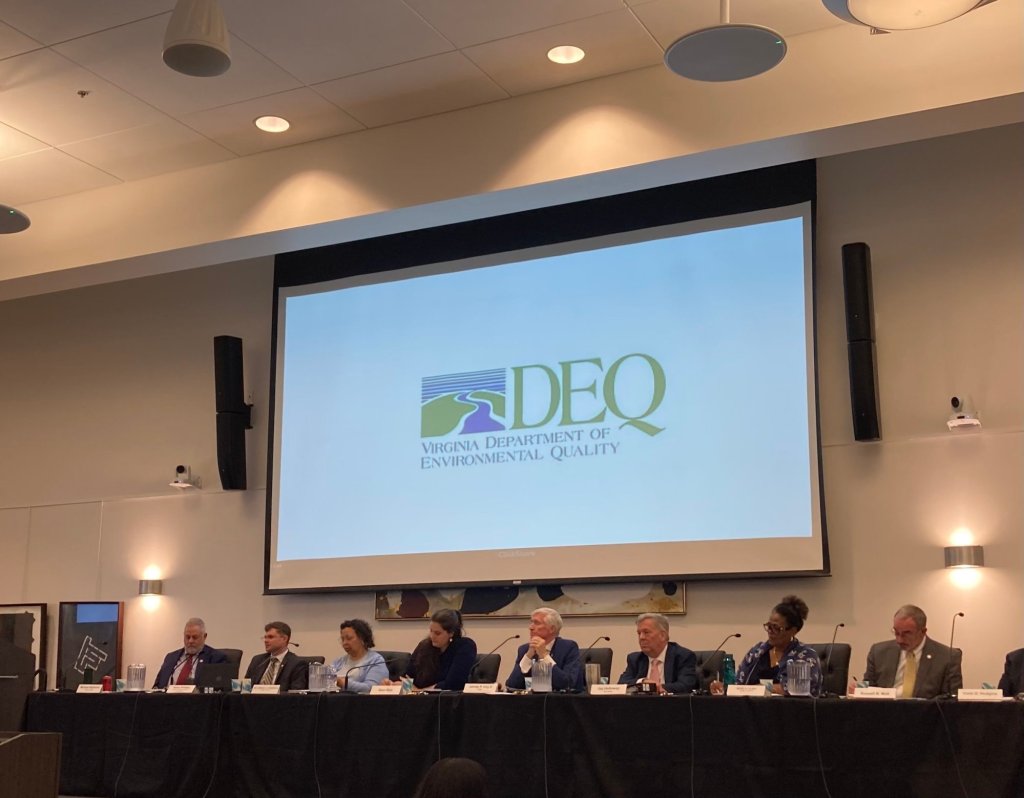
So Youngkin used an unelected board to issue a legally dubious ruling on the initiative. Last week, that board decided to take Virginia out of RGGI. Stunningly, on the very day the board voted, kids across the commonwealth were exposed to smoke from wildfires that were made more likely by climate change.
This legally doubtful decision will almost certainly go to the courts. In the end, legislators are likely to have the final say on RGGI.
As we look ahead to the end of summer vacation and the start of election season, it’s important to think about who we want in the legislature. We want moral, families-focused legislators who don’t insist on increasing dangerous air pollution and greenhouse gas emissions.
We want our kids to have the best possible chance of good health. We need elected officials who won’t load the dice against us.
Reba Elliott of Crozet is senior director at Laudato Si’ Movement and a Public Voices fellow with The OpEd Project, in partnership with the Yale Program on Climate Change Communication.