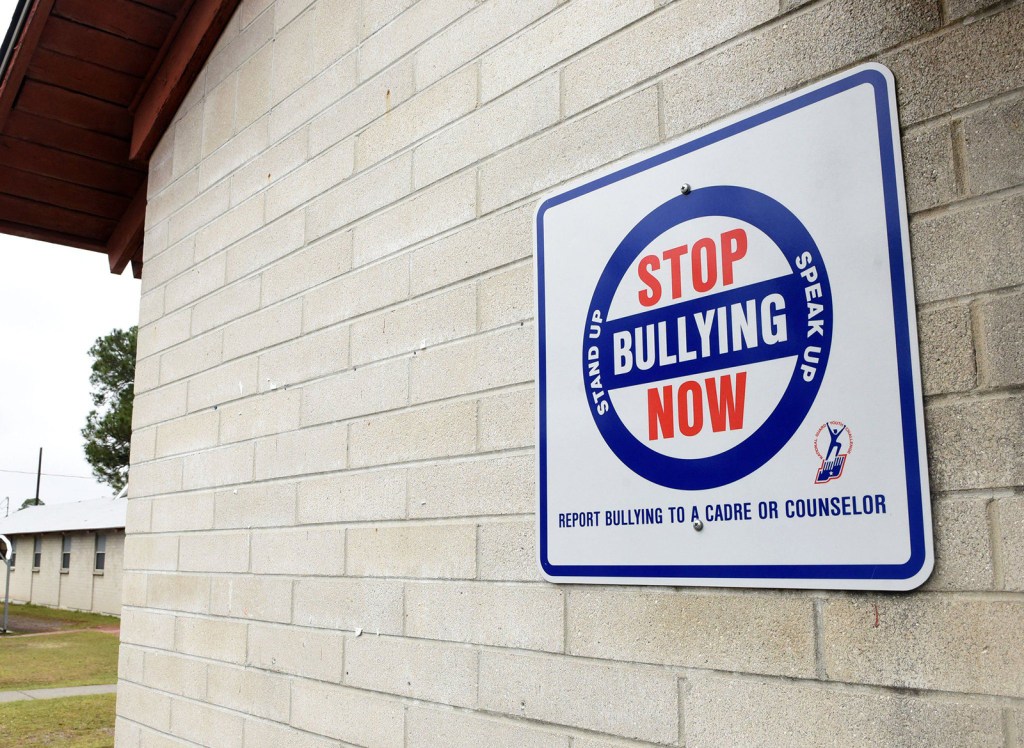
A new state law requiring schools to notify parents within 24 hours if their child is involved in an alleged bullying incident is well-intentioned and looks promising on paper. It’s an improvement over the previous requirement that parents be notified within five days.
A lot can happen in five days — especially among emotionally vulnerable children and teens. Reducing the time period is laudable.
The worry, however, is that this law imposes one more burden on the overworked and often underappreciated professionals who educate our children. Since COVID and all its disruptions, school systems are struggling to keep administrative and teaching jobs filled. Hiring enough good people wasn’t easy even before COVID, what with pay lagging behind other professions requiring similar education, and public schools being increasingly caught in the middle of our cultural and political strife.
It won’t always be easy for school personnel to quickly sort out what’s happening when things go wrong between children and to inform any parents whose children are involved in bullying.
The Code of Virginia says that “bullying” does not include “ordinary teasing, horseplay, argument or peer conflict.” That effectively leaves interpretation of bullying to the judgment of school employees.
Despite the extra pressure on school personnel, the dangers surrounding bullying are so serious that they justify making this effort to get a bad situation under control expeditiously.
A child who is being bullied needs help and support, from parents as well as adults at school. Responsible parents will want to know immediately if their child might be in danger. A parent may have insight into the problem, or the child may have kept it secret. In either case, parents need to know.
A child responsible for bullying also likely needs help in some ways. That child’s parents, too, should know and play a role in modifying the behavior if possible.
No one should make the mistake of dismissing bullying as just “kids being kids.” These aren’t harmless jokes or silly pranks but rather intentional acts meant to hurt, intimidate or humiliate the victims. Usually, the only thing the bullied child has done to provoke this aggressive, hurtful behavior is to be different in some way, or to appear weak or friendless.
Bullying can come in a variety of ways: It can be calling names, or threatening harm, or excluding someone from activities. It can be done face to face or on social media. The latter can be worse, because the bullied child feels exposed to the world.
Bullying is bad for all involved. The unpleasant distraction can make a child do poorly in classes. A child who is frightened may start skipping school or, if old enough, drop out. Bullied children sometimes turn to violence themselves, and weapons are too readily available. Bullying has led to more than one young person’s suicide. It is frequently cited as the reason a teenager brought a gun to school and fired at his classmates.
Bullying is bad for the bully, too, especially if there are no real consequences. What starts out as “just” bullying often turns into serious violence and criminal acts as a child grows up.
And, of course, bullying is bad for the school, because it interferes with teaching and learning, and puts extra burdens on overworked educators. Students who witness bullying of another may grow fearful, and they may be confused or feel guilty if they stand up to the bully or report the bad behavior.
This is a real and dangerous problem. Legislators were right to tighten the existing law requiring school officials to notify parents of children involved in bullying before more than a day passes. But they must make sure that school districts are properly funded so they are staffed to handle this new mandate.
Four or five days can seem an eternity in a child’s world. Taking action quickly, including making parents aware of the situation, is essential if we have any real chance of reducing bullying among school children.