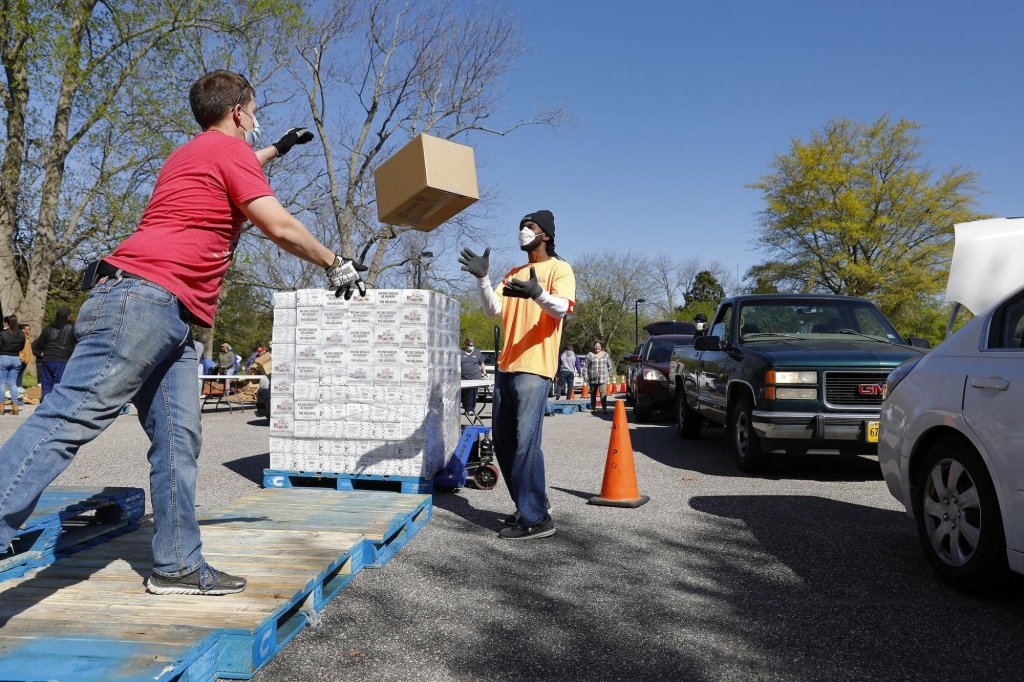
Over the past few years, the nation has faced a perfect storm of conditions that have made it harder to put food on the table, including a once-in-a-generation pandemic and skyrocketing prices for food and other necessities. Food banks such as the Foodbank of Southeastern Virginia and Virginia Peninsula Foodbank are stepping in to help our neighbors fill in the gaps, but food banks aren’t immune to the soaring costs impacting the nation.
Across the Feeding America network, higher operations costs, sustained increased demand for food, decreased donations, supply chain disruptions, and dwindling government support are making it harder than usual for food banks to help our neighbors fill their kitchen tables. Right now, there’s a lot at stake for the tens of millions of people experiencing food insecurity in the United States and the charitable food sector straining to support those seeking food assistance.
As individuals facing hunger continue receiving assistance from food banks, members of Congress must remain committed partners in the effort to end hunger by increasing investments in federal nutrition programs such as The Emergency Food Assistance Program (TEFAP) and the Supplemental Nutrition Assistance Program (SNAP) in the 2023 Farm Bill.
The Foodbank of Southeastern Virginia and Virginia Peninsula Foodbank call on Congress to do the following:
Increase funding for TEFAP to help people facing hunger access nourishing food and support the U.S. agricultural economy. TEFAP is a federal nutrition program that moves food from farms to food banks to individuals and families facing hunger. TEFAP is also a cornerstone of the Feeding America network’s food supply. TEFAP commodities are critical to the Foodbank of Southeastern Virginia and the Eastern Shore and to Virginia Peninsula Foodbank to ensure that while food donations decrease, our neighbors in need continue to receive proper nourishment provided by this important federal program. Even in the years prior to the pandemic, as much as 20% of the food distributed by our local food banks came from the TEFAP program authorized by the 2018 Farm Bill. Now the need and importance of the program is so much greater.
As individuals and families without enough to eat continue to budget, save and find other ways to weather the circumstances exacerbating food insecurity, we’re calling on our local congressional delegation to increase TEFAP funding in the 2023 Farm Bill. Such an investment would mean more healthy foods moving from food bank shelves to kitchen tables across Hampton Roads.

Strengthening TEFAP funding in the 2023 Farm Bill is a win for our neighbors experiencing food insecurity and Virginia’s farmers. More TEFAP purchases translate to more purchases from local growers and producers — a boon for Virginia’s agricultural economy.
Support and strengthen SNAP by increasing access, funding, and eligibility to help people facing hunger keep their pantries full. SNAP is the nation’s largest and most effective federal food program. In 2022, SNAP helped approximately 40 million people put food on the table during tough times. For each meal the Feeding America food bank network provides, SNAP provides nine.
Even though SNAP helps people afford groceries, it is still not enough. Participants only receive about $6 per person per day in food benefits. Lawmakers must ensure SNAP’s purchasing power aligns with grocery prices and provides adequate support during tough economic times.
The 2023 Farm Bill also provides a viable pathway toward streamlining SNAP eligibility and enrollment. Currently, eligibility rules and enrollment processes can be complicated and confusing, creating unnecessary challenges to accessing essential food benefits for older adults, college students, immigrants and low-wage workers. Lawmakers can remove the hurdles that can stand in the way of receiving critical food assistance.
TEFAP and SNAP work together to help individuals across the country get the food we all need to thrive. By increasing investments in both programs, Congress can help ease the strain and stress of hunger in Hampton Roads and in communities across the country.
Karen L. Joyner is chief executive officer of Virginia Peninsula Foodbank. Christopher Tan is president and chief executive officer of Foodbank of Southeastern Virginia and the Eastern Shore.