The public comment period remains open for citizens to register their thoughts on Gov. Glenn Youngkin’s misguided plan to withdraw Virginia from the Regional Greenhouse Gas Initiative. While the public should weigh in on the issue and urge the governor to reverse course, it’s abundantly clear that Youngkin doesn’t much care what Virginians think.
Previous comment periods have elicited an outpouring of support for the multistate, market-based, cap-and-trade program — to no effect. Youngkin remains committed to this, despite the consequences, and it increasingly appears that only the courts or a strong rebuke at the ballot box will stop him.
Virginians have until midnight on Wednesday to submit comments on the final stage of the administrative effort to remove the commonwealth from RGGI, the emissions-limited partnership the General Assembly voted to join in 2020. Those interested should visit Virginia’s Regulatory Town Hall website at townhall.virginia.gov/L/comments.cfm?stageid=10026
Citizens have done this before. This marks the third such public comment period of the process, which solicited input on the notice of action, the proposed rule and now this final rule. Each has logged thousands of comments, the overwhelming majority of which have urged the governor to abandon his wrong-headed quest for withdrawal.
Youngkin has argued that his administration is within its right to seek Virginia removal from RGGI, but membership was authorized by state law, not executive order or administrative enrollment. Can the governor simply nullify a law with which he disagrees? What precedent would it set if he is allowed to do so?
Those are excellent questions which a lawsuit filed on July 31 by the Southern Environmental Law Center on behalf of a group of environmental organizations intends to resolve. It is difficult to believe the courts would conclude that the governor can overturn a law he doesn’t like, but stranger things have happened.
Youngkin’s fellow Republicans seem to understand that. Why else would GOP leadership in the House, following a 2021 election which netted them the majority, introduce a bill to repeal the Virginia Clean Economy Act, which authorizes membership in RGGI, if the governor could withdraw through the regulatory process? Youngkin only seriously pursued this avenue when the legislation failed.
Since Virginia became a member and began receiving its share of the proceeds from the sale of carbon emissions credits, the commonwealth has received $589 million. That money is split between projects to bolster flood protections and community resilience, and a state fund that supports energy efficiency programs for low-income households.
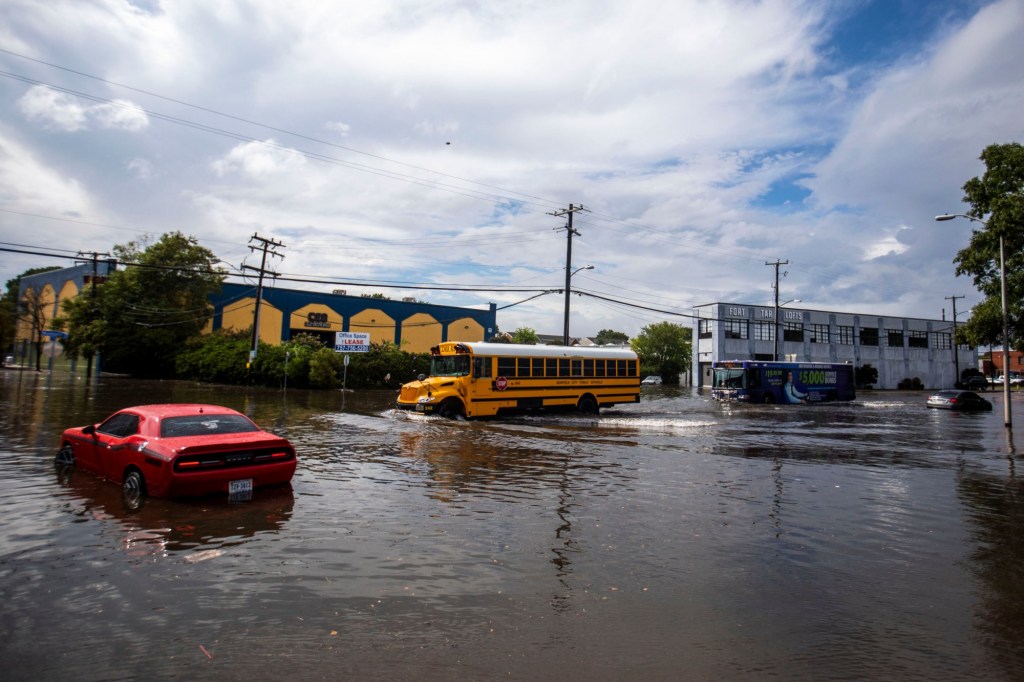
Those funds have benefitted Hampton Roads, with local communities receiving the lion’s share of money from the Community Flood Preparedness Fund as well as funding for greater energy efficiency.
How does the governor propose to offset the loss of so much critical funding? Quite simply, he does not. Youngkin’s December budget proposal called for a $200 million one-time payment for a new Virginia Revolving Loan Fund, but that’s less than the ongoing revenue Virginia has already received for the flood fund through RGGI.
As for the energy-efficiency programs, the governor’s budget makes no mention of them nor does it call for investing a sum equivalent to the funding for those programs received through RGGI. Youngkin would apparently have low-income Virginians fend for themselves, despite the overall benefits of greater energy efficiency.
One would think thousands upon thousands of Virginians calling for the commonwealth to remain in RGGI would give him pause. But he doesn’t care, meaning Virginias must hold out hope for legal intervention or, barring that, push back in November at the ballot box. If Youngkin won’t heed Virginians’ wishes, he should pay the political price.
So tell the governor what you think. Comment on this regulatory action and tell Youngkin, loudly and clearly, that his actions are not what Virginia wants. His persistence will be tested in the courts and his vision for Virginia’s environmental future — of more flooded communities, more extreme weather, more global warming and rising seas — should be soundly rejected.