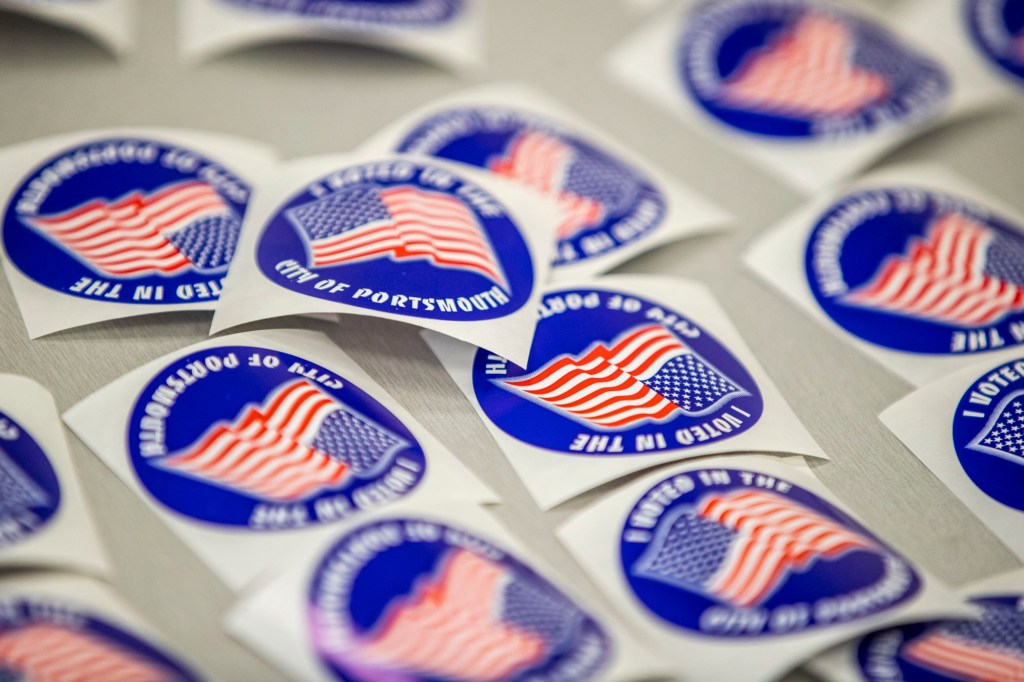
Though Virginia’s general election is still more than three months away, campaigns are already working at a feverish pitch to canvass neighborhoods, speak to voters and encourage more people to cast a ballot in November.
As both Republicans and Democrats have launched early-voting campaigns to get their voters to the polls, a recently concluded primary contest in Northern Virginia provides timely evidence of how important those efforts can be.
The Republican nomination contest in the 29th Senate District, which includes parts of Prince William and Stafford counties, featured two candidates — Nikki Baldwin and Maria Martin — making their first bid for a Senate seat. On July 21, one month after the June 20 primary election, a recount confirmed that Baldwin had prevailed by a two-vote margin, 2,605 to 2,603.
Primary elections routinely draw a paltry number of voters to the polls, though early voting and absentee options have helped to boost totals in recent years. Margins tend to be closer than in a general election and even the slightest advantage in getting people to cast a ballot can make all the difference.
Though the results in the 29th District were extraordinarily close, they weren’t without precedent. Only six years ago, candidates seeking the 94th House District in Newport News ended in a tie. A drawing in January 2018 sent Republican David Yancey to Richmond over his Democratic opponent, Shelly Simonds.
In that case, the drawing did more than determine who represented Peninsula residents in the House of Delegates. Yancey’s victory also made the chamber an even partisan split — 50 seats for each party — which helped shape the legislature’s priorities and the course of legislation for the ensuing two years.
The stakes are similarly high for this year’s election.
Two years ago, voters swept Virginia Republicans into power. GOP candidates won all three statewide offices and a majority in the state House. In addition to all 100 House seats up for grabs this year, this will be the first time since that historic election that voters will decide who holds the 40 seats in the state Senate.
Gov. Glenn Youngkin has all but staked his political reputation and aspirations for higher office on holding GOP control of the House and winning back the Senate. That would give Republicans full control in Richmond for the first time since 2012, when the GOP enjoyed its largest-ever advantage in the House and Senate leaders used arcane rules to turn a 20-20 split into near-total control of the chamber.
Democrats, conversely, want to hold or expand their majority in the Senate as a bulwark against Youngkin and to win back control of the House. This election will be the first under legislative maps drawn by special masters selected by the Virginia Supreme Court, which analysts suggest give the party a slight advantage in key swing districts
If recent elections are any guide, voter turnout can negate any statistical edge that exists on paper. That’s why both parties have launched early voting efforts to encourage Virginians to make plans in the summer to cast a ballot so that, come November, it is easier for them to do so.
Of course, those who intend to participate in this year’s election need not rely on a partisan program. The Virginia Board of Elections website (elections.virginia.gov) enables Virginians to view and update their voter registration, confirm their voting location, sign up for absentee balloting and learn about early voting options.
Early voting begins Sept. 22, the deadline for registering to vote this year is Oct. 16 and voters must request an absentee ballot by Oct. 27. Those dates will be here sooner than one might expect, which is why campaigns are braving the summer swelter to connect with voters as early as possible.
Even one or two more ballots can decide a close election, as Virginia saw again this month. Don’t leave these critical decisions to others. Make a plan now to vote in November.