If you go to the grocery store and wander to the bakery aisle, you’ll find it there. The cosmetics aisle? It’s there too. Same for the shampoo section, the deodorants section and the laundry aisle.
This product, palm oil, is not only highly versatile but also a highly efficient crop, beating other sources of vegetable oil in how much they produce on a given amount of land. So palm oil is the most widely used in the world: It’s 35% to 40% of vegetable oil consumed.
But it is also contributing to deforestation, climate change and abuse of workers.
Fortunately, there is an active global movement to make palm oil more sustainable and its production more ethical to the people who grow the trees and process the fruit for oil. Unfortunately, change can be slow and there is a long way to go, but steps are being taken.
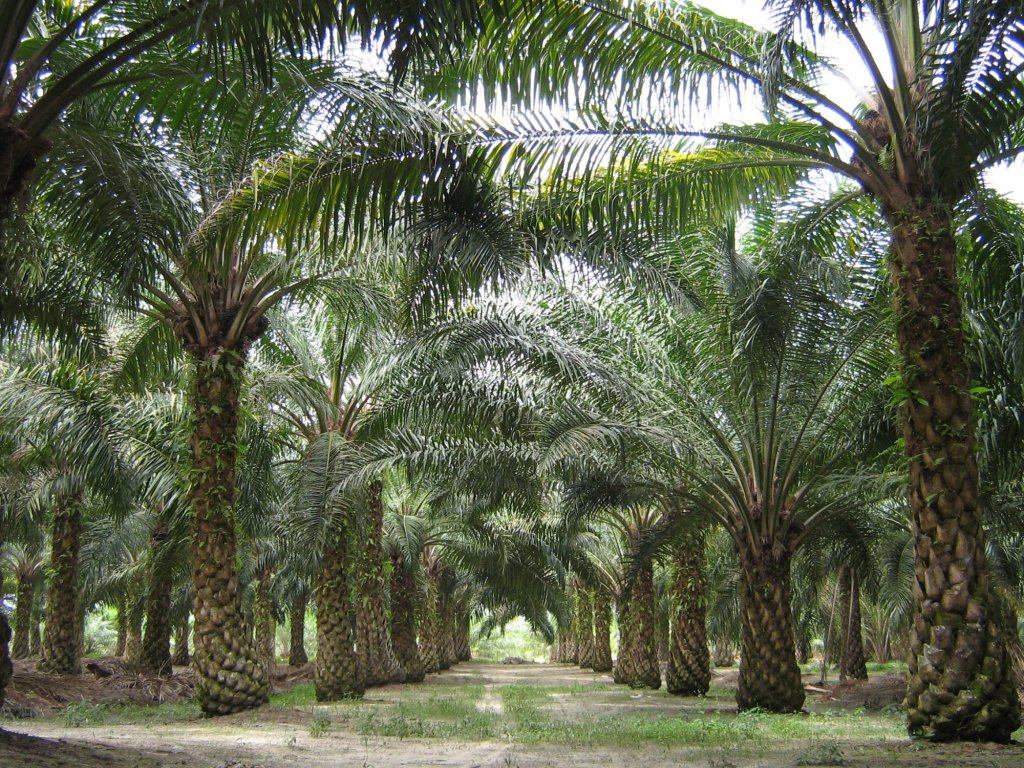
Palm oil comes from the fruit of the African oil palm, Elaeis guineensis. The trees are native to southwestern Africa but have been introduced to other parts of the world, first as an ornamental tree, then as a commercial crop once harvesting and refining techniques were modernized. Today, Indonesia and Malaysia together produce about 85% of the global supply of palm oil, but many other countries produce it, too.
Its popularity results from many factors. It can be semi-solid at room temperatures; it resists oxidation, giving products a longer shelf life; it is stable at high temperatures, making it ideal for frying; and it can be odorless and colorless, making it a valuable food additive.
So you will find it everywhere in the supermarket, from margarines, doughnuts, cakes and other baked goods, to pizza and ramen, to cosmetics, shampoos and deodorants, and detergents. It’s in biofuels, too.
Another reason for its popularity: Acre for acre, African oil palms are the most efficient and productive crop grown for oil, producing many times more oil on the same amount of land than its nearest competitors. Most of the production occurs on large plantations, but smallholder and family farmers can also get high yields on small parcels. And that makes it an important cash crop.
But there are serious problems.
- Given that African oil palms grow only in the tropics — and grow especially well in Indonesia and Malaysia — large tracts of some of the most biodiverse lands in the world have been cleared for growing this one species. This clearing is often accomplished by slash-and-burn techniques that pollute the air and release large amounts of carbon into the atmosphere, contributing to global warming.
- The sites of many palm plantations were once tropical peat forests. These peat forests, one of the Earth’s great carbon sinks (storing more carbon than they release into the atmosphere), are now out of service. This, too, worsens global warming.
- The clearing of these diverse lands can cause soil erosion and have a disastrous effect on water quality.
- Eliminating the forests removes important habitat for threatened wildlife, including orangutans, tigers, rhinos, elephants and many other species.
- And as if all this were not enough, many palm oil producers use exploitative and even abusive labor practices.
Yet our appetite for palm oil seems insatiable, and it grows every year. Read your supermarket labels, and you might be surprised by just how much palm oil you do consume.
People worldwide recognize that what we do and eat affects situations across the globe. If you would like to find out more about palm oil, and what you can do to encourage its sustainability and ethical production, visit the Roundtable on Sustainable Palm Oil at rspo.org.
You can, for example, be informed about what you’re thinking about buying, and favor goods made by more-sustainable companies. You can find a scorecard by the World Wildlife Fund — one ranking the sustainability practices and commitments of corporations that buy palm oil — at palmoilscorecard.panda.org.