When change for the better is coming, wouldn’t you rather be on the leading edge than lagging behind, trying in vain to stop progress? Isn’t it smarter to help shape the change and benefit from it, rather than to cling to ways of doing things that are no longer working?
Offshore wind development is set to play a key role in the shift away from the carbon-based fuels to renewable, greener energy sources. That change is necessary if we have any hope of slowing the climate change that’s causing devastating storms, fires, droughts, sea-level rise, floods and other disasters that threaten the way of life, especially in our coastal communities.
Partly because of location but also because enough key players have been looking toward the future, Hampton Roads is poised to be on the leading edge of that coming shift to cleaner, more sustainable energy — and will benefit economically as a result.
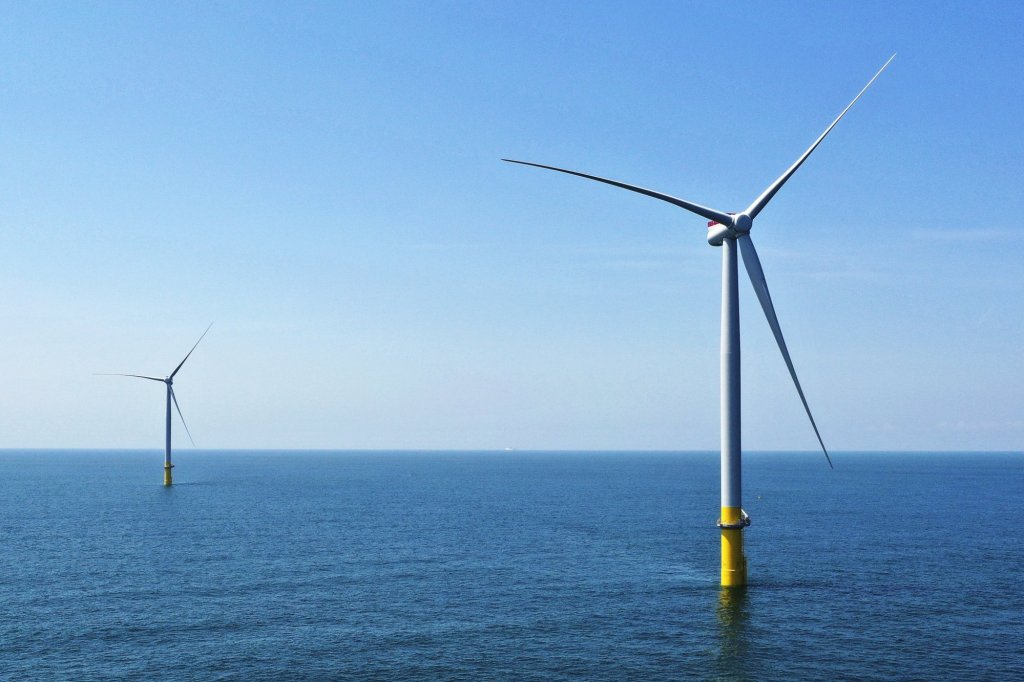
Dominion Energy already has two pilot wind turbines that have been performing reliably in the nearly three years they have been off the shore of Virginia Beach. Dominion is moving ahead with work on what will become the largest offshore wind farm in the United State. The project, with 176 wind turbines, is expected to be complete by the end of 2026.
Avangrid Renewables, an energy company based in Oregon, has proposals for wind farms in our region off both Virginia and North Carolina. It is in the permitting process for a large wind energy project about 36 miles from Virginia Beach, off the upper Outer Banks of North Carolina.
Building and operating these wind farms will take lots of workers, materials, transportation and support services. Hampton Roads has a great opportunity to take advantage of its position and become a leading East Coast hub for offshore wind energy.
Already, Siemens Gamesa, a European wind-engineering firm, is building a turbine blade finishing company — the first in the U.S. — at Portsmouth Marine Terminal.
The Port of Virginia is making good progress in its move to shift to cleaner energy and become the first carbon-neutral port on the East Coast by 2040.
The climate crisis means we must make major changes as quickly as possible. That necessity, and the work already under way, also mean that this moment can be transformational for our region. We can be out in front, building the new, clean energy industry — and a sustainable economy for the future.
Solar energy, too, has great potential, and it also offers possibilities in this region.
Taking the lead in developing more effective ways to make vulnerable coastal areas resilient to flooding can also provide more lasting jobs, even as it protects our communities.
Economic development studies say building an offshore wind hub in Hampton Roads could create more than 5,000 direct and indirect jobs.
Virginia’s leaders took an important initial step toward a better future in 2020, when Gov. Ralph Northam signed the Virginia Clean Economy Law, clearing the way for building offshore wind farms. The law requires that 40% of the electricity in the commonwealth come from renewable energy sources by 2030 and 100% from carbon-free sources by 2050.
With the continued progress in wind energy, and bright prospects for related businesses, the future looks promising. The opportunity is here, and much groundwork has been laid.
Now the task is to keep our eyes focused on the future. We need to find solutions and make them work. We can help shape the change that must come in a way that will better control the climate crisis and all the harm it can bring to this vulnerable coastal region. At the same time, we can create jobs and help the area’s economy grow, diversify and be strong for decades to come.
One thing is certain: If we don’t seize this opportunity, if we don’t take the lead at this crossroads moment, other regions, other states and other countries will.