What is the purpose of a university?
In Virginia, which is home to 68 public and private colleges and universities and two-year institutions, one thing most educators agree on is that the Commonwealth has the best “system” of higher education in the country. Any Virginian has a full menu of affordable options available to them without leaving the state. Few other states can claim this.
Ignore the political chatter. The key to helping every school — and student — to succeed is to provide adequate public-private funding. Funding bodies and donors can collaborate to find the best way for each institution to serve their specific region and student body. To do this, it helps to reconsider the purpose of higher education, which has transformed greatly over the past century.
In 1920, an estimated 16.4% of Americans graduated high school, with just 4% completing at least four years of college. But by 2020, those rates had risen to 91% and 37%, respectively. The formerly optional pursuit of higher learning has now grown into a default expectation for many families, and with this shift in perspective has come a shift in purpose for educational institutions.
In addition to academics, colleges and universities provide formative opportunities for students to learn valuable social, emotional and communal lessons about who they are and where they belong in the world. To do all of this well, we in education must remain active learners ourselves in order to be sure we understand the needs of our students and communities so that we may best serve and support them.
So how can we foster a culture of community learning throughout our organizations? One way is to develop strategic partnerships with fellow community groups, regional employers and local nonprofits, which can inspire a meaningful exchange of information and resources among collaborators. Another way is for institutional administrators to become active community members, including joining the boards of regional organizations or even volunteering with community outreach programs. The goal is to listen and understand our communities at the individual level so that we can make administrative and academic decisions based not on the needs of some imaginary and idealized student persona, but rather on the needs of the very real people we serve.
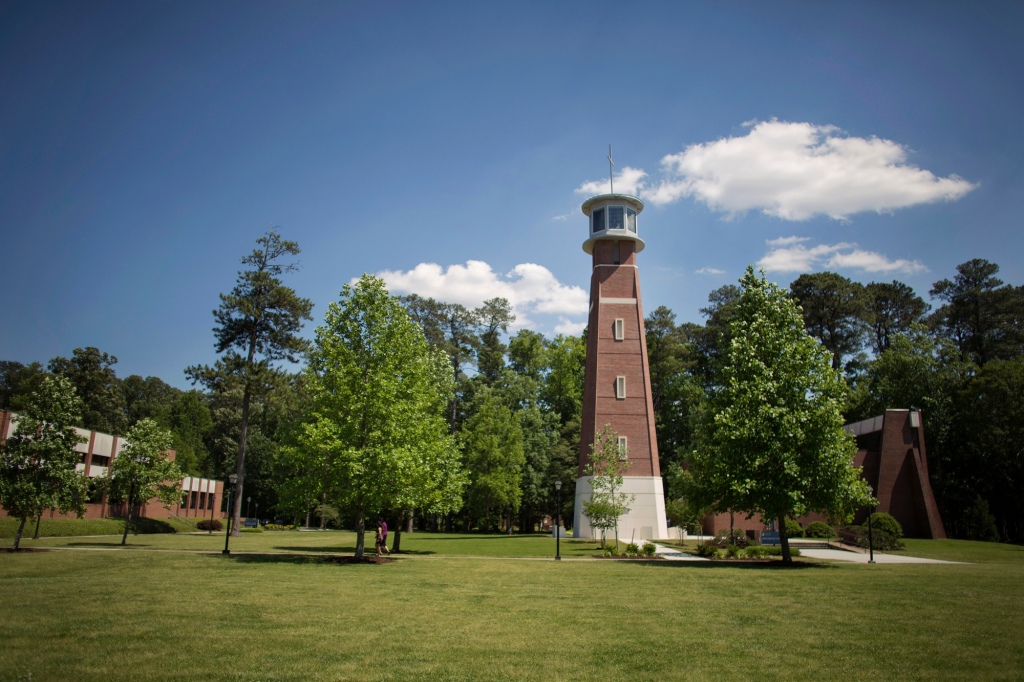
At Virginia Wesleyan University, our role in Virginia’s education landscape has evolved greatly over the past decade simply because of who we serve, and how. In the 2022-23 academic year, we enrolled approximately 4,000 learners, including 1,500 traditional learners on our main campus and 2,500 in VWU Global Campus, which includes evening and weekend, online, early enrollment, and continuing education programs and a collaborative campus in Japan.
When viewed all together, it is clear that VWU’s purpose is to provide lifelong educational experiences for students of all ages across multiple disciplines, and even multiple time zones. While this may look and feel differently from higher education a century ago, I believe that the purpose of higher education is closer to its core mission than ever before: to promote the development of a well-rounded individual. Thanks to emerging technologies and the constantly changing job market, individuals look to higher education for continuous learning beyond the ages of 18-24. Because of this, higher education is no longer just for the young, but for everyone.
Arizona State University President Michael Crow uses a moniker that is popular among our partners in the New American Colleges and Universities: We measure ourselves not by whom we exclude, but by whom we include and how they succeed. While what we think of as success may also change over time, as the nature of work and the methods of acquiring knowledge will no doubt also look very different a century from now, what won’t change is the need for higher education to remain focused on preparing learners, thinkers, and doers to solve the problems of tomorrow.
Scott D. Miller, Ph.D., is president of Virginia Wesleyan University in Virginia Beach.