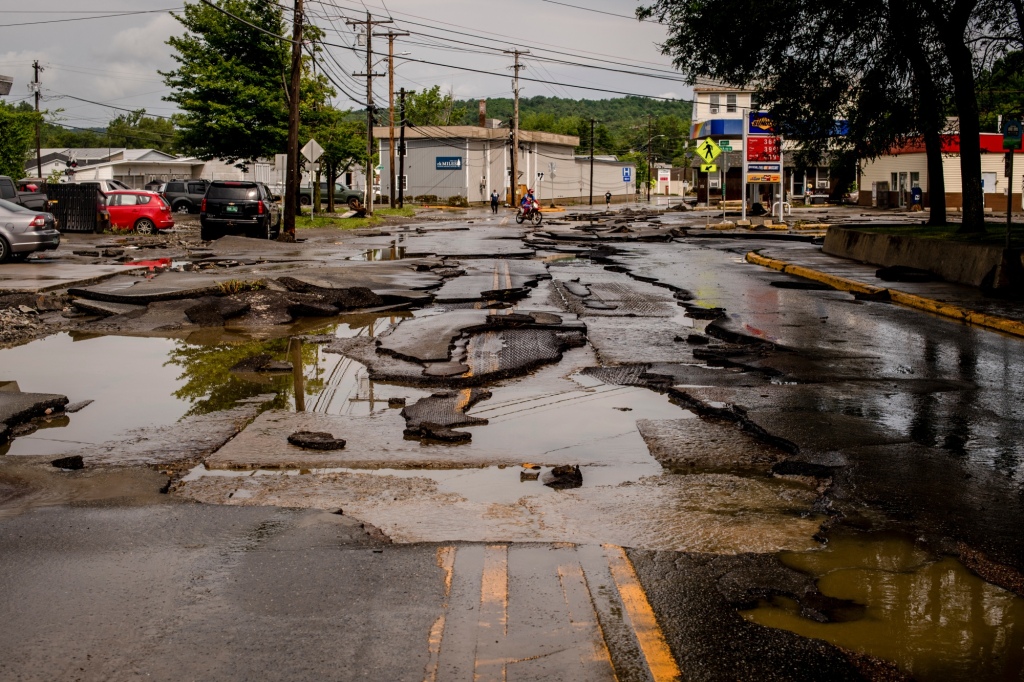
Communities in New York and Vermont are sifting through the muck today after flash flooding caused by extraordinary downpours inflicted a heavy toll on homes, businesses and infrastructure there. The hardest-hit towns and cities face a long road to recovery.
At the same time, a heat dome settled this week over the Southwest, with temperatures soaring to record-setting triple digits. More than 100 million Americans were under heat advisories this week, and the heat index could top 100 in several Hampton Roads communities this weekend.
Extreme weather is happening with greater frequency across the United States. That makes planning and preparation critical to saving lives and ensuring our most vulnerable residents are protected from the elements.
The large, slow-moving storm system that moved through the Northeast in recent days left a path of destruction in its wake. Between 7-9 inches of rain fell in only a few hours in some places, quickly turning creeks and streams into roaring rivers that rushed through homes, washed out roads and bridges and left several cities with widespread flooding that is still receding.
The speed with which this unfolded caught many residents flat-footed, and first responders rescued more than 100 people in Vermont and dozens more in New York amid treacherous conditions. Other people were rescued by neighbors when emergency help couldn’t reach them.
The oppressive heat engulfing a huge swath of the nation — and poised to settle into Hampton Roads soon — poses a different type of threat. Yes, it’s the summer and temperatures are supposed to be hot, but this year’s heat wave has set records in cities such as Miami, Austin and Phoenix, all of which have plenty of experience with warm conditions.
Prolonged, excessive heat is a tremendous danger to public health, but it poses a greater threat to those who work outside, the very young and the very old, and those with preexisting conditions. It can also affect infrastructure as the power grid struggles to keep pace, and roads and even sidewalks buckle as a result of baking for days on end.
For both issues — flash floods and extreme heat — readiness is the watchword.
Good preparation starts with good information, and it’s more important than ever to keep an eye on the weather at the start of the day. Check for heat warnings or thunderstorm threats, and take a peek at the air quality index too — a measure of particulates in the air that was useful during the spell of Canadian wildfire smoke last month.
Most of a household’s planning for flash flooding mirrors our region’s annual obligations for hurricane season. Have a family emergency plan that specifics where to meet in a crisis if not at home, and be ready to evacuate should conditions demand it. Have a “go bag” with essentials — clothing, medicine, a weather radio, flashlight or lamp, batteries, food and water (budget 1 gallon per person per day and don’t forget your pets) — which will save time when moments can make all the difference.
For extreme heat, the best suggestion is to be inside during the hottest part of the day. Wear loose clothing if you need to be outside, plan outdoor activities in the early morning or late evening, take frequent breaks and hydrate, hydrate, hydrate. (You’re probably not drinking enough water anyway.)
Not everyone can simply retreat into the air conditioning when heat hits, so it’s incumbent upon communities to make available cooling stations and other options for the unhoused and indigent, knowing that a failure to do so could be deadly.
Most of all — and this is timeless advice, for natural disasters or not — look out for one another. Know your neighbors and help them if needed. Assist people in distress and show compassion toward others who are also dealing with fear and fatigue.
Find ways to help the Northeast flood victims, as well as planning tips, at the American Red Cross (redcross.org) and important disaster preparedness suggestions from the Virginia Department of Emergency Management (vaemergency.gov).